8.5
8.5
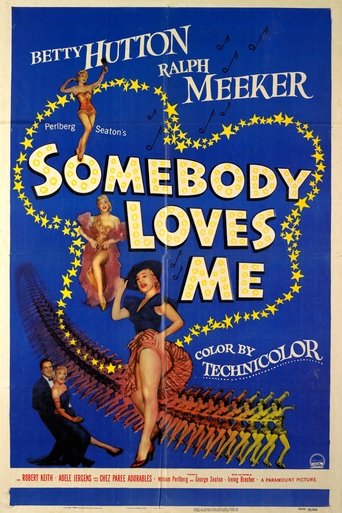
Somebody Loves Me
1952
Producer
Also known as: George Edward Seaton, George Stenius, George Edward Stenius
Directing
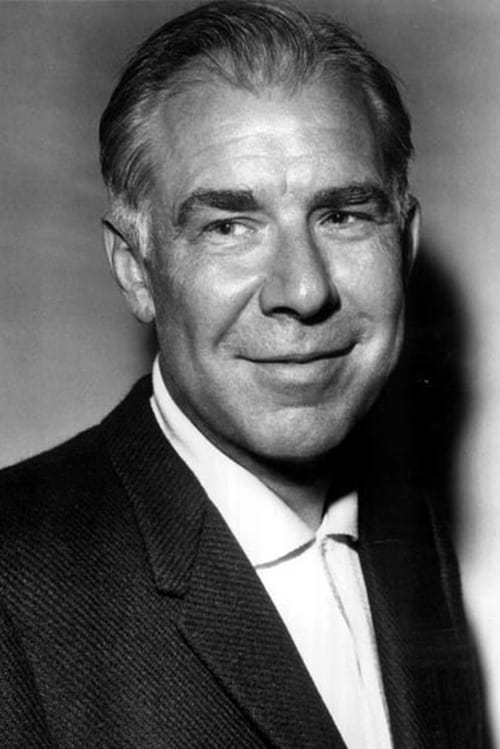
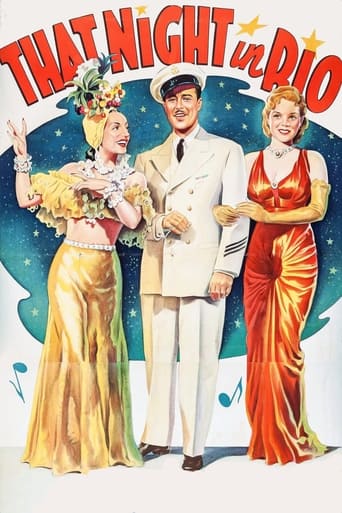
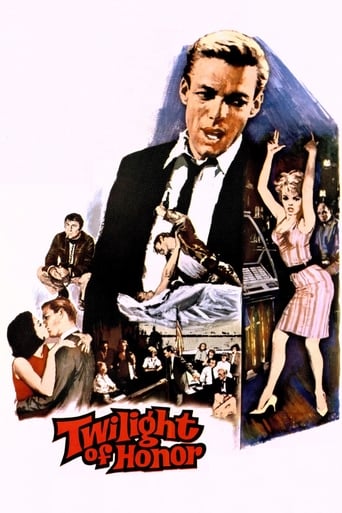
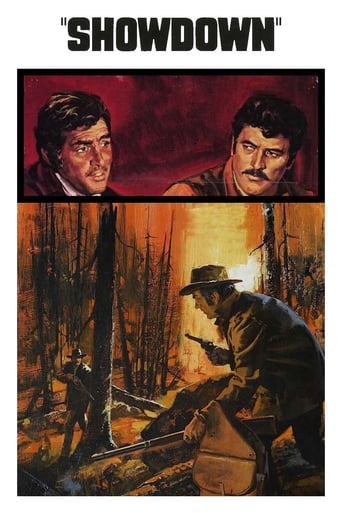
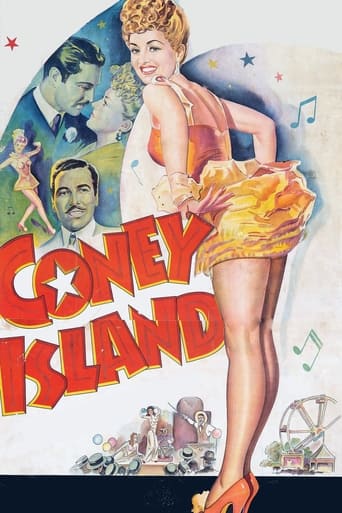
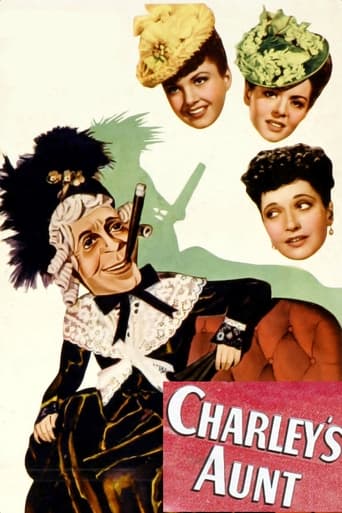
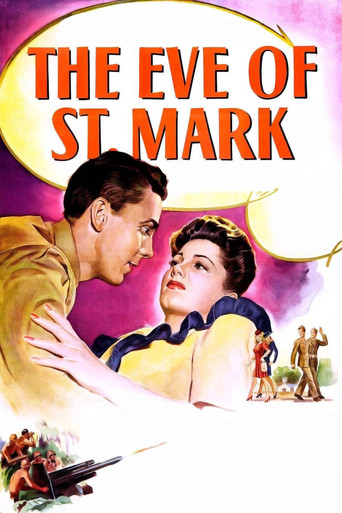
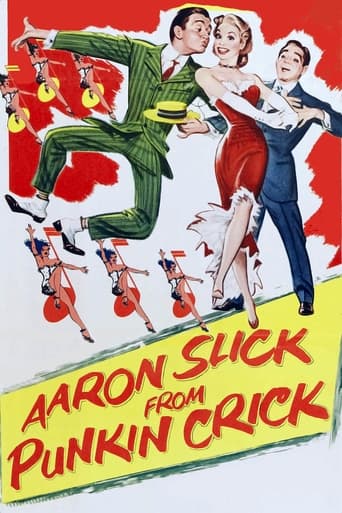
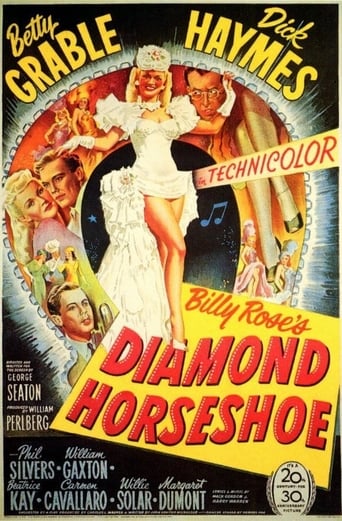
From Wikipedia, the free encyclopedia. George Seaton (April 17, 1911 – July 28, 1979) was an American screenwriter, playwright, film director and producer, and theatre director. Born George Stenius in South Bend, Indiana, Seaton moved to Detroit after graduating from college to work as an actor on radio station WXYZ. John L. Barrett played The Lone Ranger on test broadcasts of the series in early January 1933, but when the program became part of the regular schedule Seaton was cast in the title role. In later years he claimed to have devised the cry "Hi-yo, Silver" because he couldn't whistle for his horse as the script required. Seaton joined Metro-Goldwyn-Mayer as a contract writer in 1933. His first major screen credit was the Marx Brothers comedy A Day at the Races in 1937. In the early 1940s he joined 20th Century Fox, where he remained for the rest of the decade, writing scripts for Moon Over Miami, Coney Island, Charley's Aunt, The Song of Bernadette, and others before making his directorial debut with Diamond Horseshoe in 1945. From this point on he was credited as both screenwriter and director for most of his films, including The Shocking Miss Pilgrim, Miracle on 34th Street, Apartment for Peggy, Chicken Every Sunday, The Big Lift, For Heaven's Sake, Little Boy Lost, The Country Girl, and The Proud and Profane. But Not Goodbye, Seaton's 1944 Broadway debut as a playwright, closed after only 23 performances, although it later was adapted for the 1946 film The Cockeyed Miracle by Karen DeWolf. In 1967 he returned to Broadway to direct the Norman Krasna play Love in E Flat, which was a critical and commercial flop. The musical Here's Love, adapted from his screenplay for Miracle on 34th Street by Meredith Willson, proved to be more successful. Seaton won the Academy Award for Best Adapted Screenplay twice, for Miracle on 34th Street (which also earned him the Golden Globe Award for Best Screenplay) and The Country Girl, and was nominated for Oscars three additional times. He received The Jean Hersholt Humanitarian Award in 1961. Seaton died of cancer in Beverly Hills, California. Description above from the Wikipedia article George Seaton, licensed under CC-BY-SA, full list of contributors on Wikipedia
1952
Producer
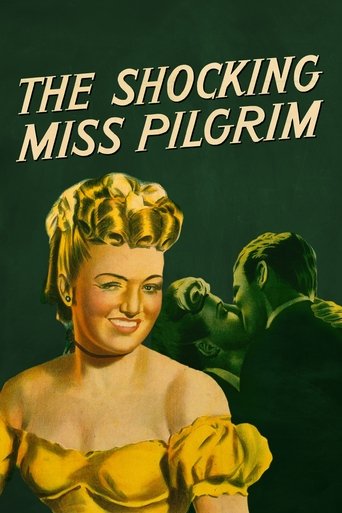
1947
Director
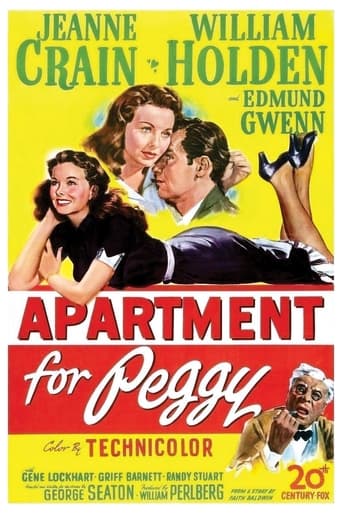
1948
Director
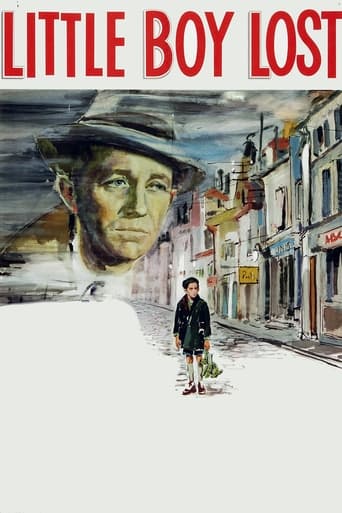
1953
Screenplay
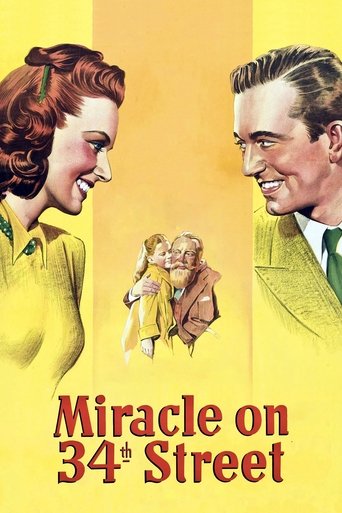
1947
Director
1942
Screenplay
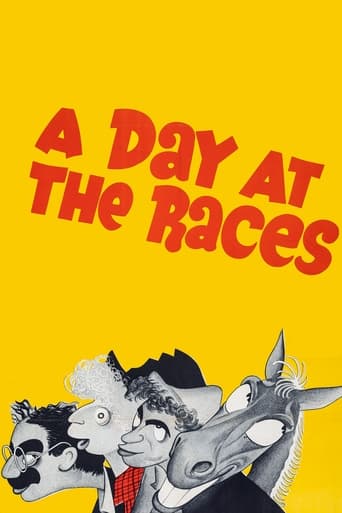
1937
Screenplay
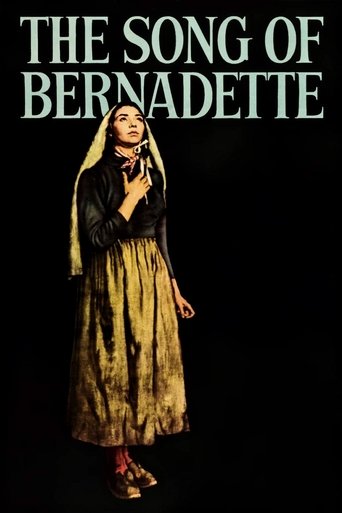
1943
Screenplay
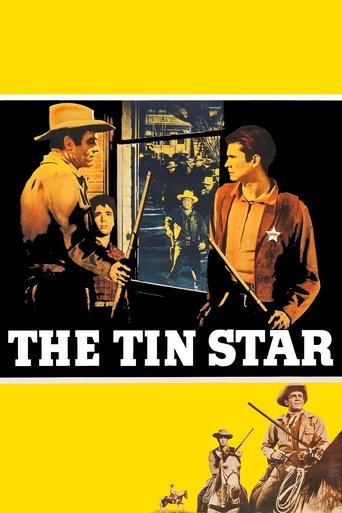
1957
Producer

1945
Director
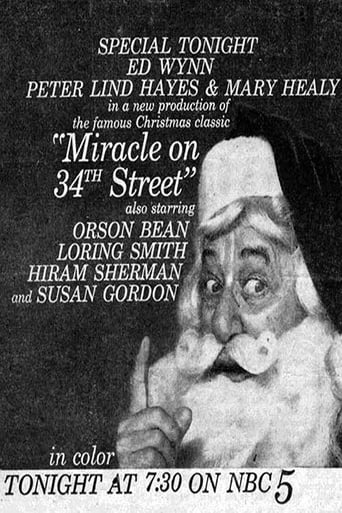
1959
Screenplay
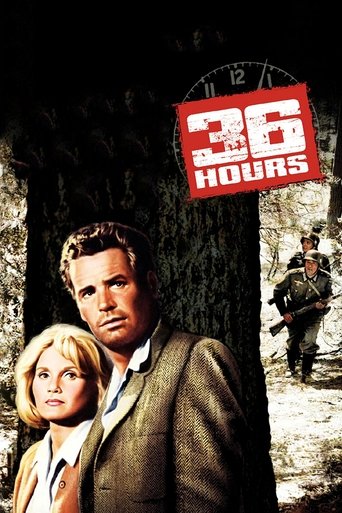
1964
Director
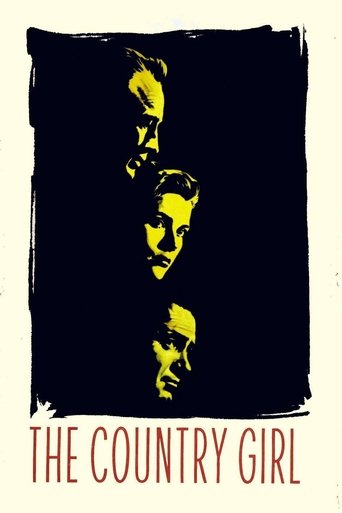
1954
Screenplay
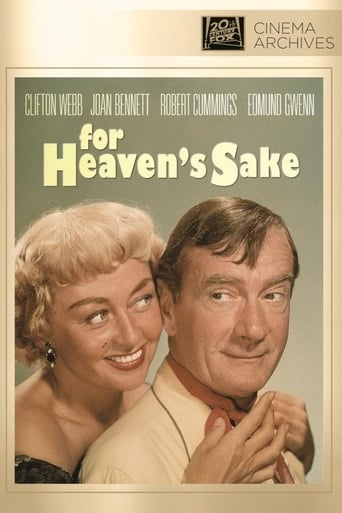
1950
Director
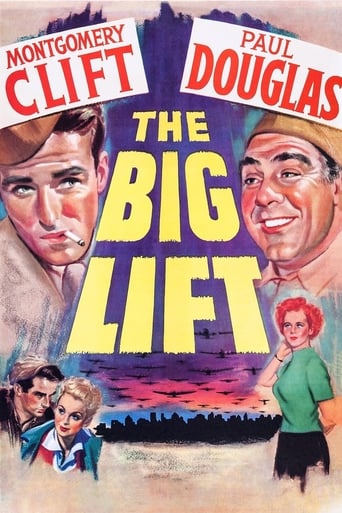
1950
Director
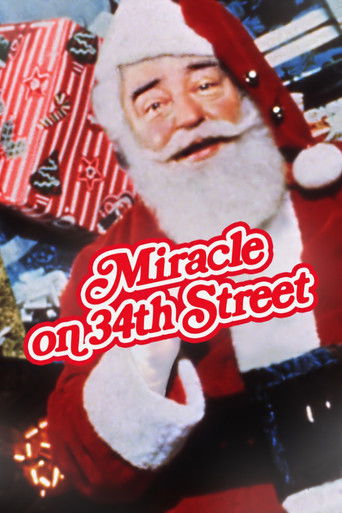
1973
Writer
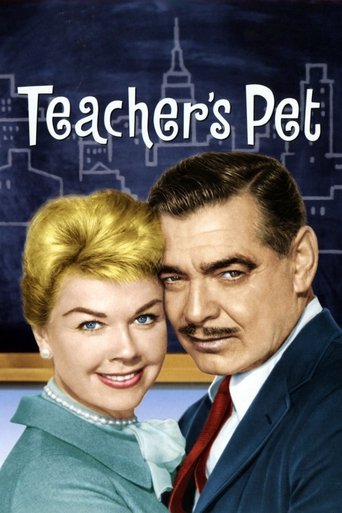
1958
Director
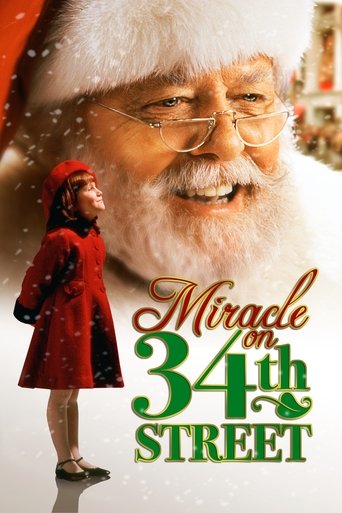
1994
Screenplay
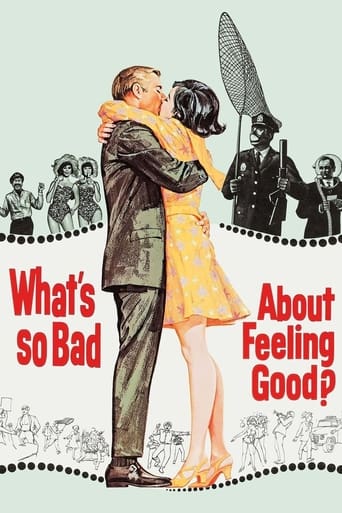
1968
Producer
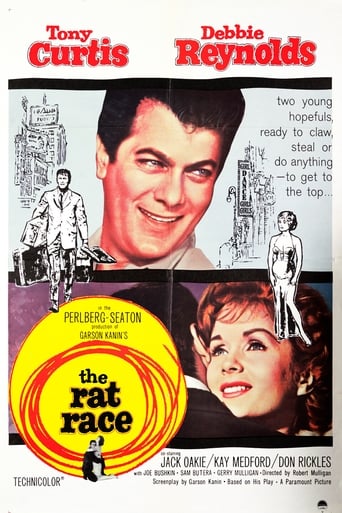
1960
Producer
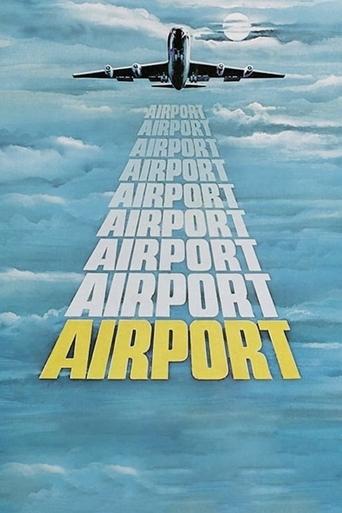
1970
Screenplay
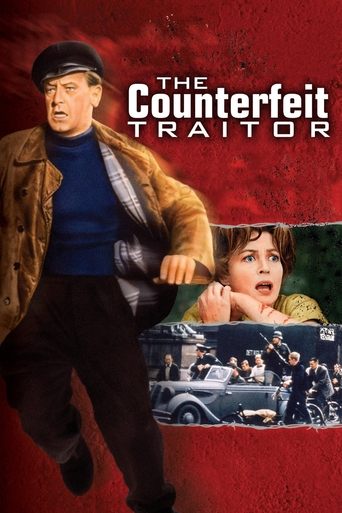
1962
Director
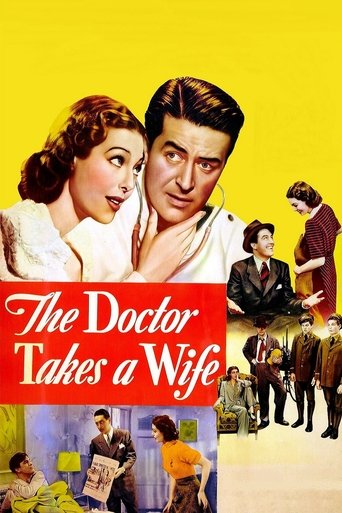
1940
Screenplay
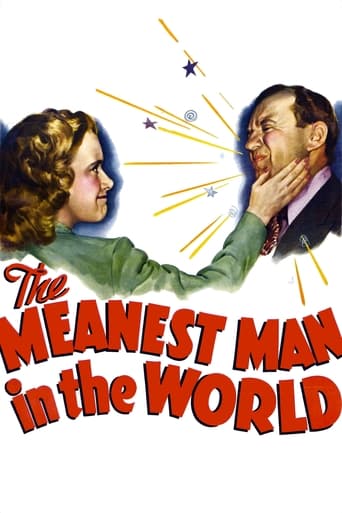
1943
Screenplay
1941
Screenplay

1961
Director

1956
Screenplay
1963
Producer
1973
Producer
1943
Screenplay
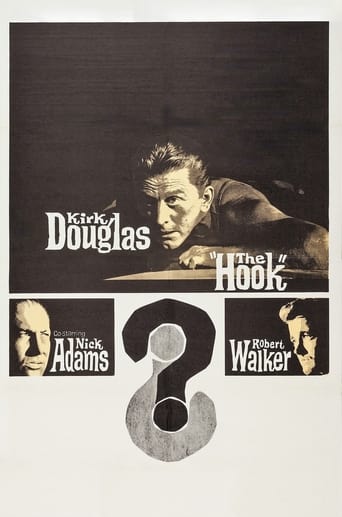
1963
Director
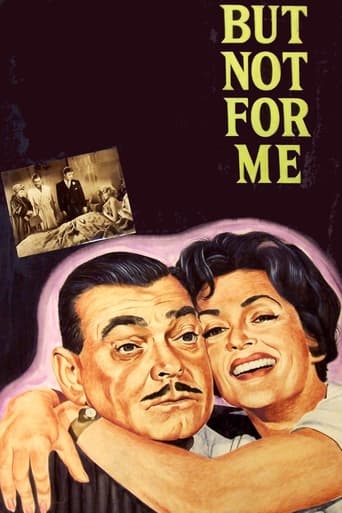
1959
Producer
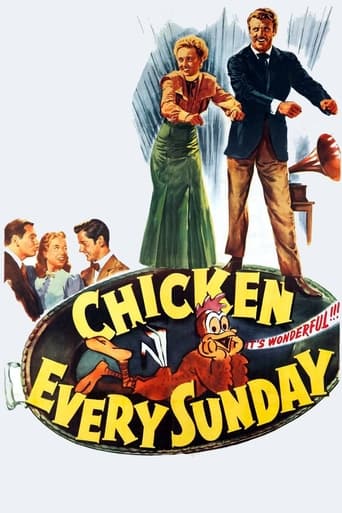
1949
Writer
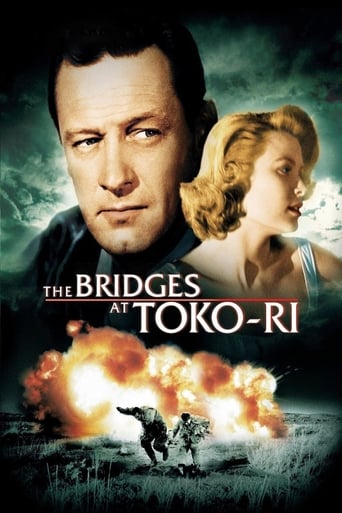
1954
Producer
1941
Screenplay
1944
Writer

1951
Producer
1952
Producer
1945
Screenplay
1935
Writer
2025
Director
1952
Writer

1957
Director
No reviews yet. Be the first to review!