Also known as: Imamu Amear Baraka, LeRoi Jones, Everett Leroy Jones...
Acting
Born:October 7, 1934
Died:January 9, 2014(aged 79)
Birthplace:Newark, New Jersey, USA
Nationality:United States
Education:Howard University, Columbia University, Rutgers University, The New School, Barringer Academy of the Arts & Humanities
N/A
Community
Biography
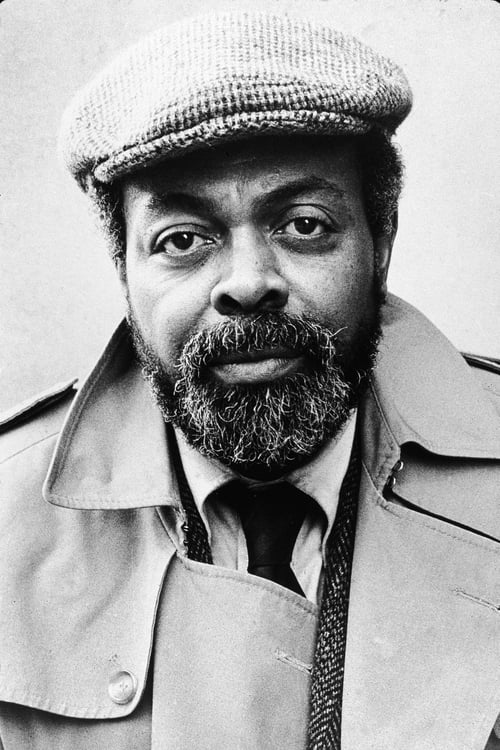
Amiri Baraka (born Everett LeRoi Jones October 7, 1934), formerly known as LeRoi Jones and Imamu Amear Baraka, is an African-American writer of poetry, drama, fiction, essays, and music criticism. He is the author of numerous books of poetry and has taught at a number of universities, including the State University of New York at Buffalo and the State University of New York at Stony Brook. He received the PEN Open Book Award, formerly known as the Beyond Margins Award, in 2008 for Tales of the Out and the Gone.
Notable Works
Somebody Blew Up AmericaDutchmanBlack Fire: an Anthology of Afro-American Writing
Filmography (31 movies)
9.0
9.0
Return to Gorée
2007
as Self
8.0
8.0
Nationtime
1972
Writer
8.0
8.0
Sun Ra: Brother From Another Planet
2005
as Self
7.0
7.0
Poetry in Motion
1982
as Self
6.5
6.5
Fried Shoes Cooked Diamonds
1979
as Self
6.4
6.4
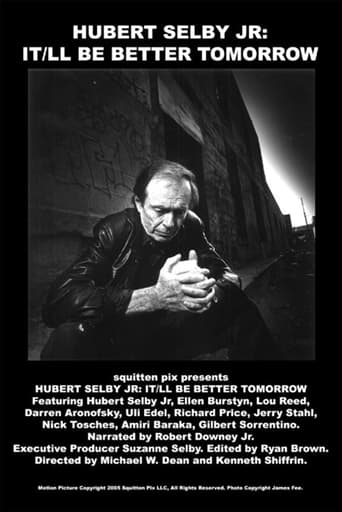
Hubert Selby Jr: It/ll Be Better Tomorrow
2006
as Self
6.3
6.3
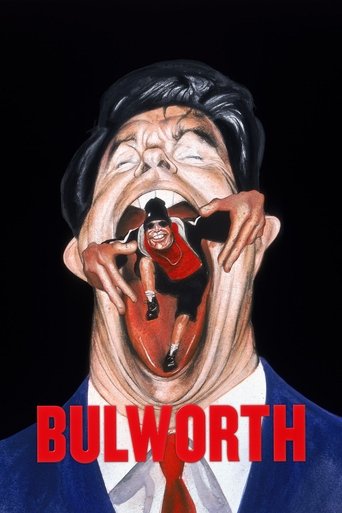
Bulworth
1998
as Rastaman
5.8
5.8
1 P.M.
1971
as Self
5.2
5.2
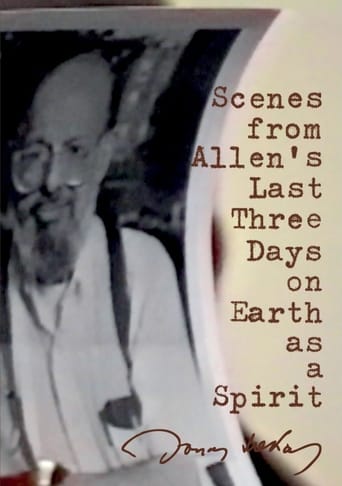
Scenes from Allen's Last Three Days on Earth as a Spirit
1997
as Self
5.0
5.0
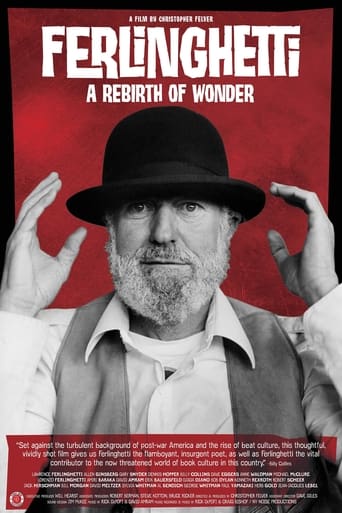
Ferlinghetti: A Rebirth of Wonder
2009
as Self
4.6
4.6
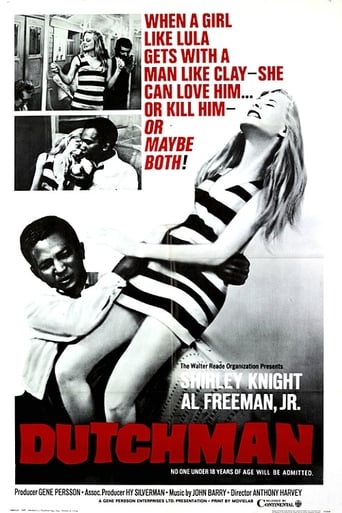
Dutchman
1966
Writer
4.4
4.4
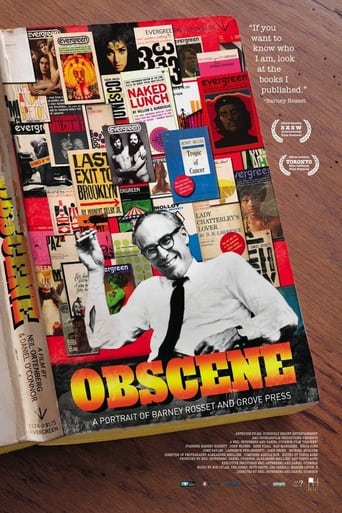
Obscene: A Portrait of Barney Rosset and Grove Press
2008
as Self
4.1
4.1
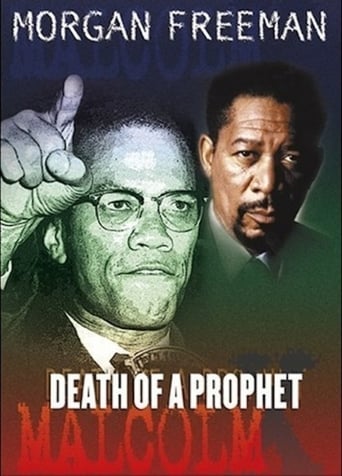
Death of a Prophet
1981
1.3
1.3
James Baldwin: The Price of the Ticket
1989
as Self
1.0
1.0
A Fable
1971
Screenplay
The Pact
2006
as Himself
In Motion: Amiri Baraka
1983
as Himself
Polis Is This: Charles Olson and the Persistence of Place
2007
Black Journal: 23; New-Ark
1970
as Self
I Heard It Through the Grapevine
1982
as Self
Langston Hughes: The Dream Keeper
1987
as Himself
Black Theatre: The Making of a Movement
1978
as Self
Turn Me On
2007
as Self
New York Agora: The Legacy of the 60s Counterculture